
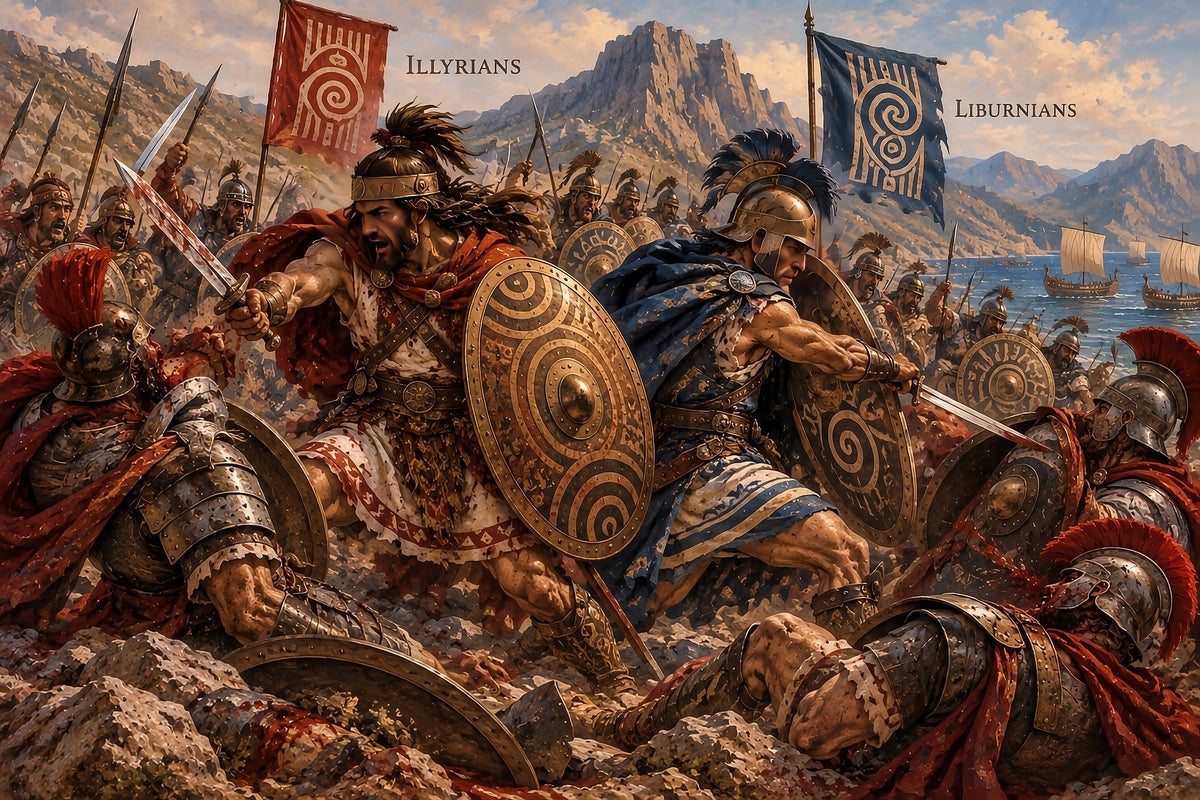
Did you know that Illyrian warriors have been associated in stories with honey as a natural source of energy for their battles?
For many families across the Balkans, heritage begins with a simple yet meaningful belief: we are descended from the Illyrians.
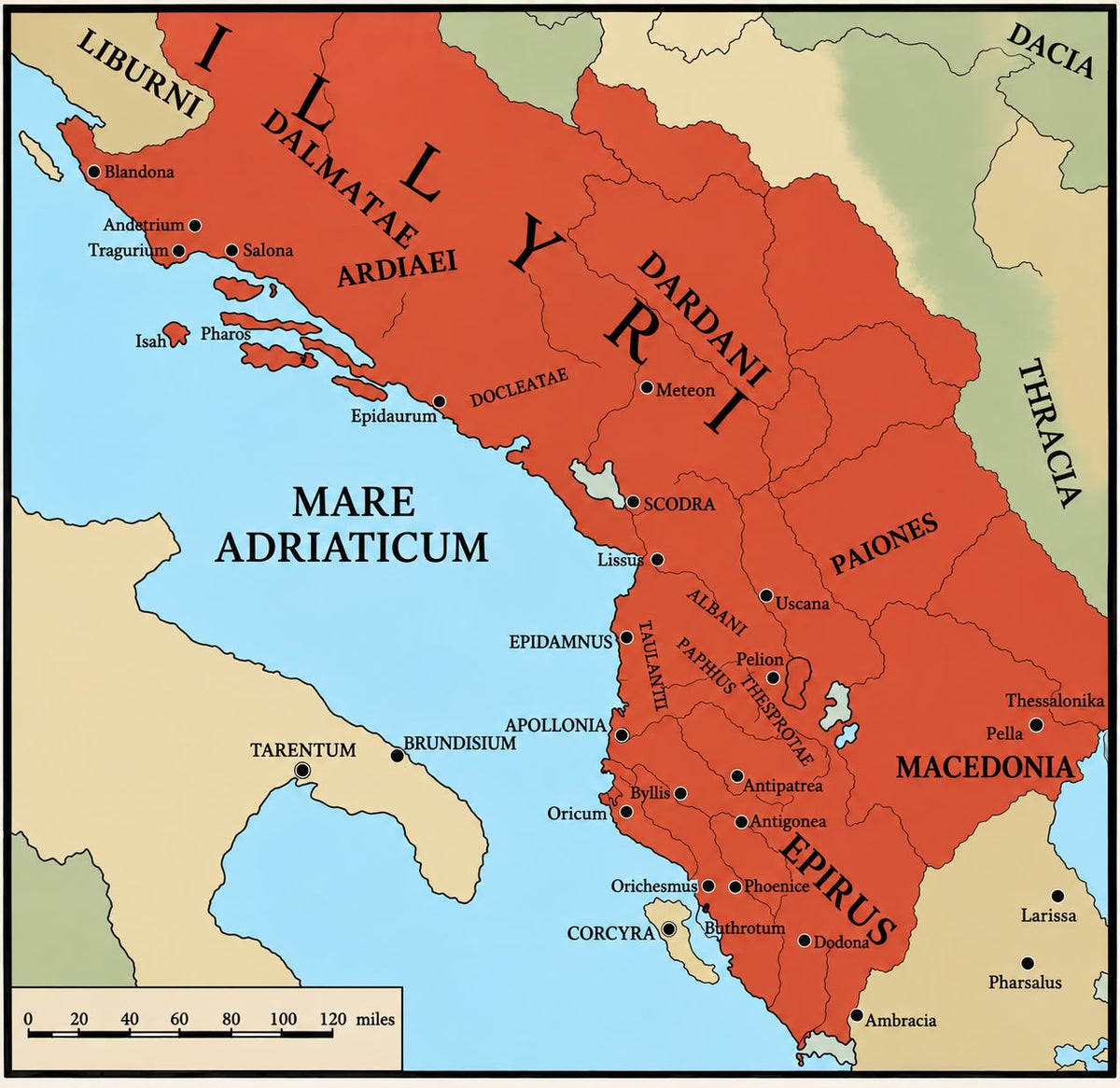
Long before modern borders divided the Balkans, the Adriatic region was home to ancient peoples, including the Illyrians and the Liburnians. The Illyrians inhabited territories across parts of the western Balkans, including areas associated with present day Albania, while the Liburnians lived along the eastern Adriatic coast, in what is now Croatia.
For centuries, these lands experienced conflict, invasions and struggles for survival. People fought to protect their families, homes and livestock, enduring hardships that shaped the history of the region. The Liburnians and other Illyrian communities belonged to this wider world of ancient Adriatic peoples, whose histories unfolded across territories that are now separated by modern borders.
Peoples of the Western Balkans
Honey has nourished people for thousands of years, just as it may have nourished the ancient Illyrians.
In a land shaped by rugged mountains, long journeys and constant struggles for survival, honey have been valued as a source of nourishment for those who worked the land, travelled across difficult terrain and prepared for battle.
Inspired by the spirit of these ancient peoples, Illyrian Honey comes from the old ancient borders of (liburni) Croatia and (Illyrians) Albania, a land along the Adriatic where Illyrian communities and other ancient peoples once lived, fought and built their legacy. More than honey, it is a tribute to the resilience of the Balkans, where rugged landscapes, rich natural heritage and the golden gift of the hive connect the spirit of the past with the richness of nature today.
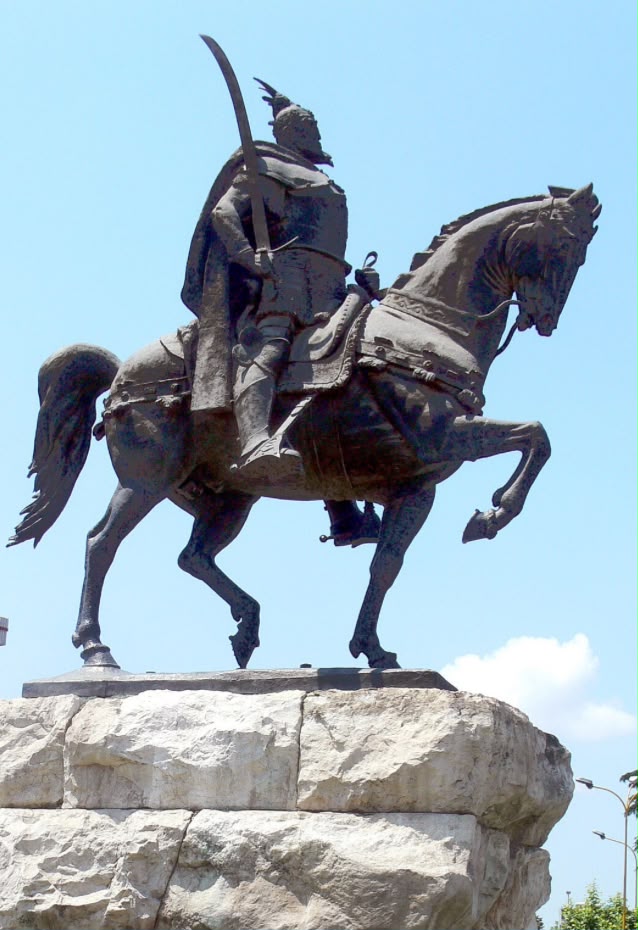
At the 1457 Battle of Albulena, Skanderbeg defeated a reportedly 80,000-strong Ottoman army with approximately 8,000 Albanian troops. Some accounts claim 15,000 Ottomans were killed and 15,000 captured. A sword attributed to Skanderbeg and preserved in Vienna is noted for its unusual weight. The battle remains one of the most celebrated victories in Albanian military history.
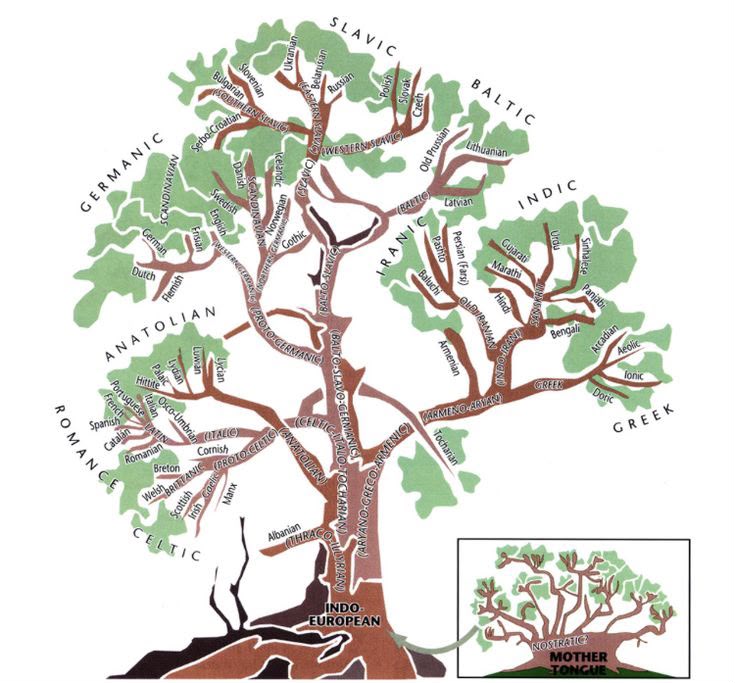
The Albanian language is an ancient Indo-European language, believed by some researchers to be connected to the Illyrians and other ancient Paleo Balkan peoples, with proposed roots dating back 2,500–5,000 years. Its first known dated text appeared in 1462, the first known book was published in 1555, and its alphabet was standardized in 1908 at the Congress of Monastir.
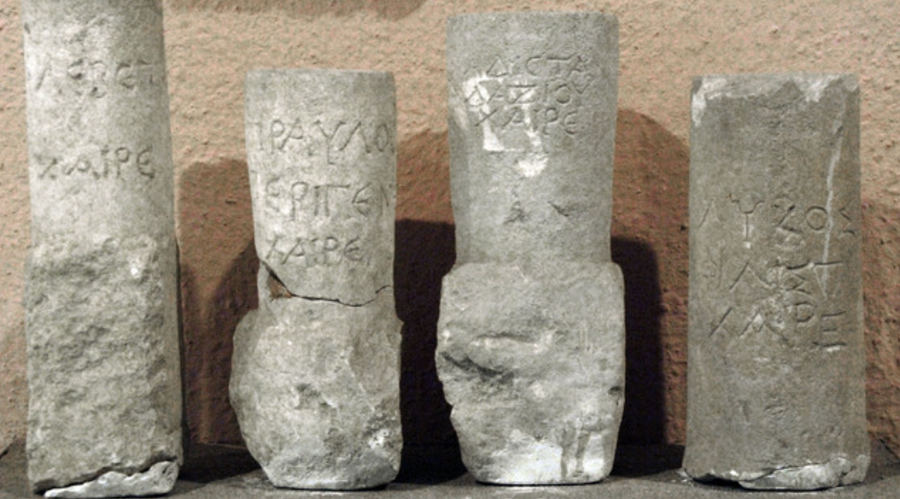
Ancient stone pillars featuring carved inscriptions, dated to the 2nd century BC, discovered in Durrës and housed in the Archaeological Museum of Tirana, Albania
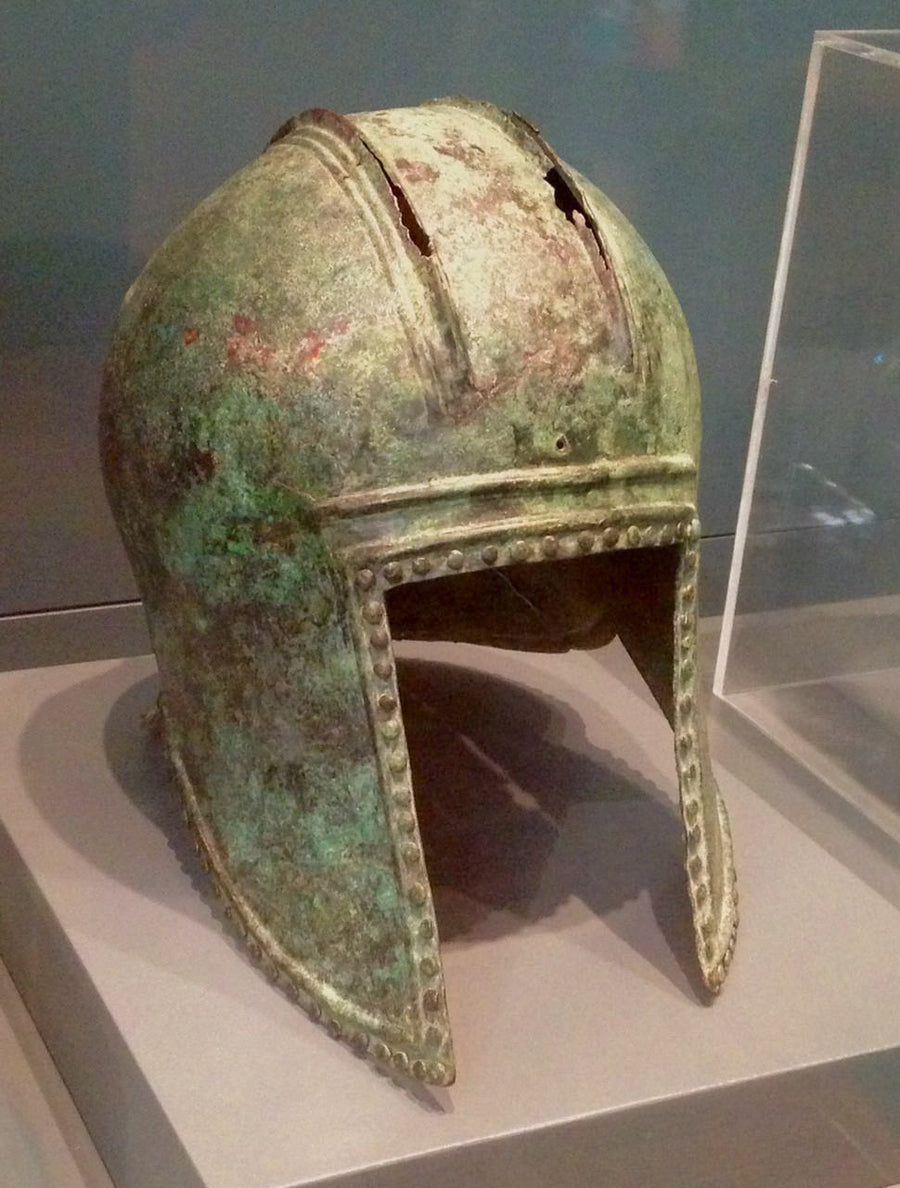
An ancient Greco-Illyrian bronze helmet (often referred to as an Illyrian helmet) dating from the Archaic period, roughly around the 6th to early 5th century BCE
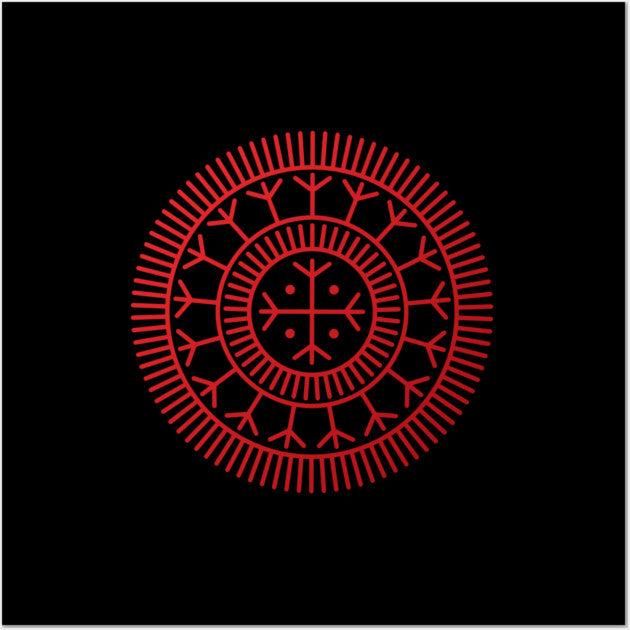
Illyrian sun symbol
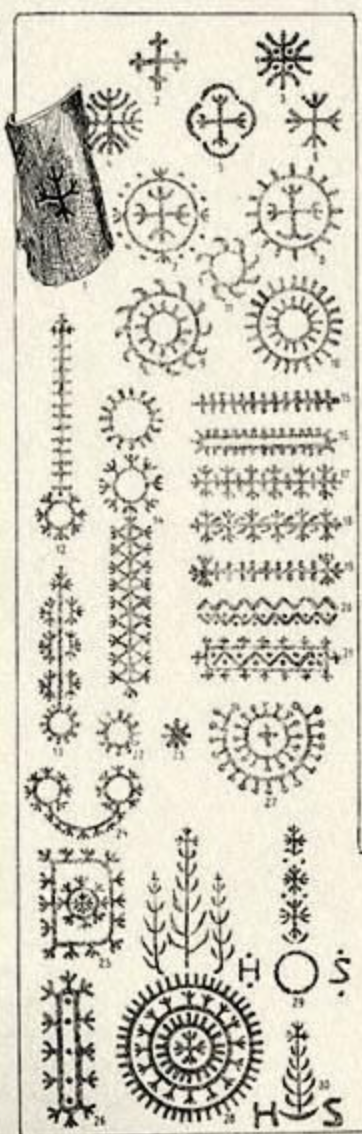
Sicanje, a traditional form of tattooing practiced by Catholic Croats and other Catholic peasant communities in Bosnia and Herzegovina and the Balkans, documented and drawn by anthropologist Ćiro Truhelka and Moriz Hoerner in the late 19th century
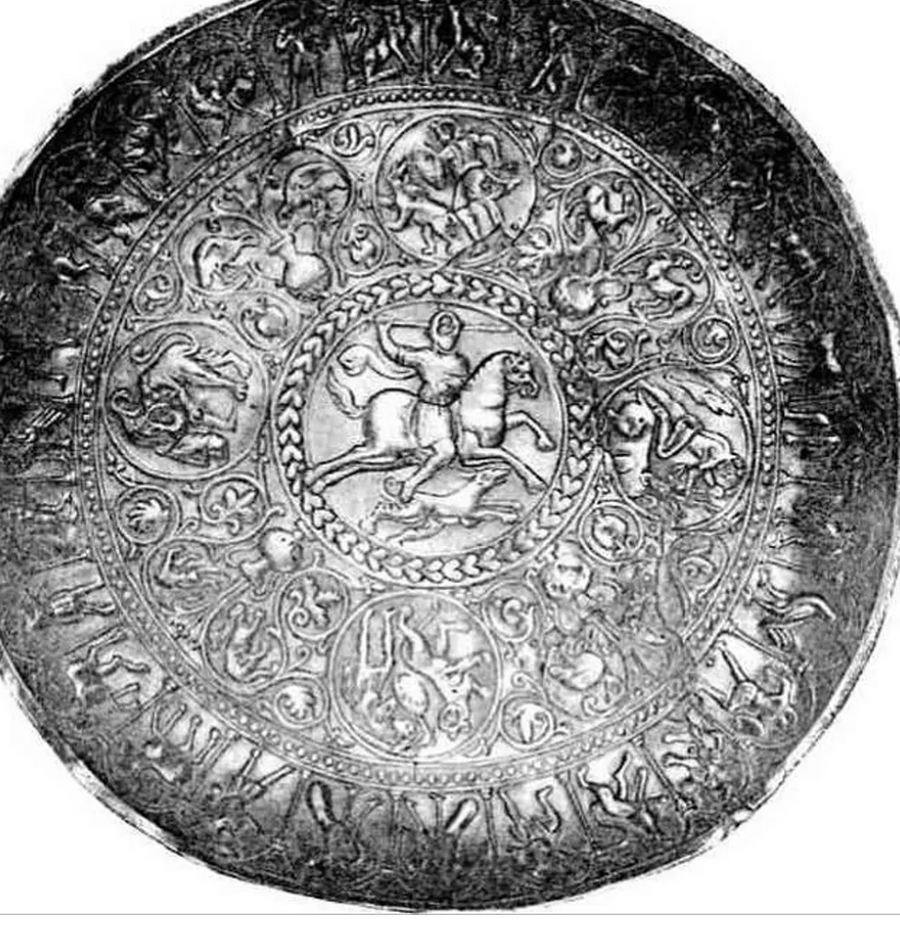
Ancient bronze or metal plate from Caucasian Albania (dating to the 4th to 5th century)
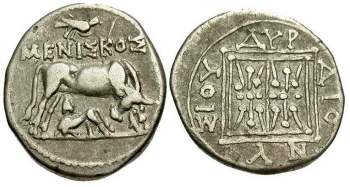
An ancient silver drachm from the Greek city of Dyrrhachium (modern-day Durrës, Albania) in Illyria, minted roughly between the 3rd and 1st centuries BC (after 229 BC).

Honigmischung für Hals und Brust
Honigmischung für Hals und Brust (550 g Glas)
Unsere Honigmischung für Hals und Brust von Illyrian Honey zeichnet sich durch ihren kräftigen Geschmack, ihre charakteristische Farbe und ihre angenehm milde, natürliche Süße aus. Die Kombination aus aromatischem Honig und natürlichen Zutaten, die traditionell für Hals und Brust geschätzt werden, macht sie zu einer wohltuenden Ergänzung Ihrer täglichen Routine.
Wählen Sie Ihren Honig
🐝 Akazienhonig: Hell, mild und fein floral. Kristallisiert von Natur aus langsam und ist eine beliebte Honigsorte in Deutschland und Europa.
🐝 Blütenhonig: Natürlich süß und floral, hergestellt aus dem Nektar verschiedener Blüten. Jede Ernte bietet ihr eigenes, einzigartiges Aroma und Geschmacksprofil.